PHM is the national museum of democracy, telling the story of its development in Britain: past, present, and future.
On this blog we share posts from the PHM team and other experts, with behind the scenes stories, coverage of PHM's exhibitions and events, and highlights from the museum's unique collection.
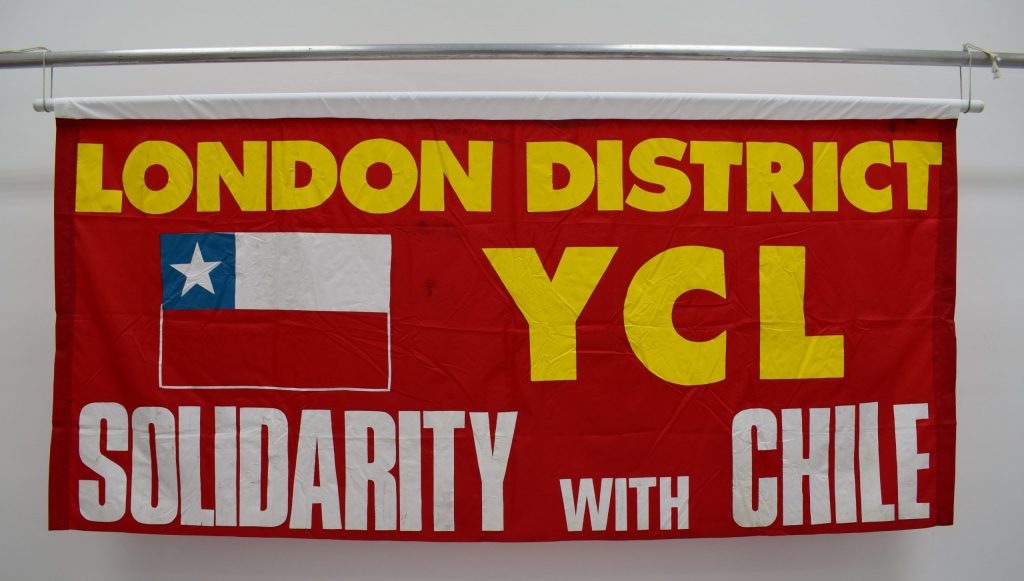
2023 marked 50 years since the Chilean military coup of 1973, during which time democratically elected socialist leader President Salvador Allende was killed. The coup led to international outcry. In the aftermath, individuals and organisations around the UK rallied to Chile’s aid. Campaigners demanded human rights for the people of Chile, protesting the violent repression of the country’s dictator General Augusto Pinochet.
Carole Concha Bell is a PhD student at King’s College London and freelance writer. She arrived in the UK with her family as a child refugee fleeing the Pinochet regime in 1975, and is a founding member of the Chile Solidarity Network and press officer for Mapuche International Link. In this blog, she reflects on the Chile Solidarity Campaign (CSC) that emerged in Britain.
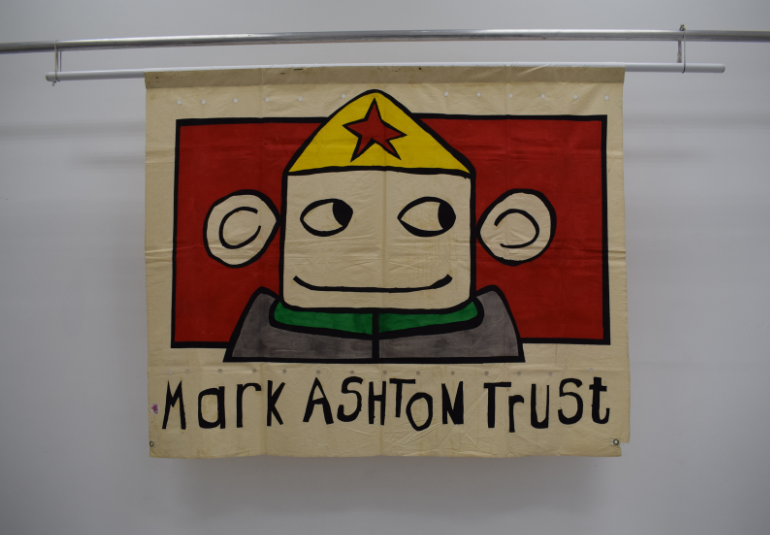
Mark Ashton was an activist and campaigner in the 1980s, perhaps most known for co-founding Lesbians and Gays Support the Miners during the miners’ strike of 1984-85. He was a member the Communist Party of Great Britain and joined Red Wedge, a collective of musicians aiming to engage young people with the Labour movement. Mark died of AIDS related illness in 1987. The Mark Ashton Trust was set up by a group of friends to respond to the ongoing crisis.
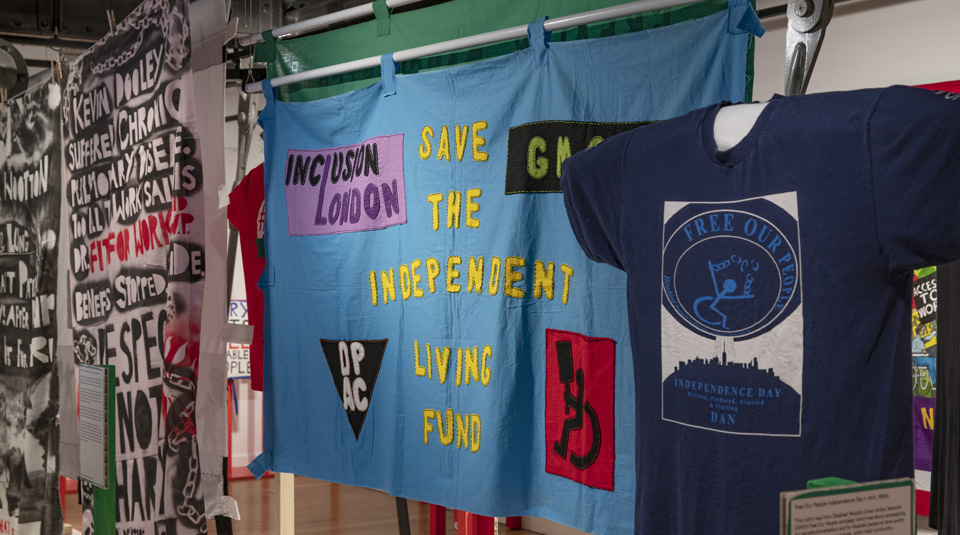
For this blog we invited Richard Rieser, Co-ordinator UK of Disability History Month, to visit our landmark exhibition Nothing About Us Without Us (on show until 16 October 2023)
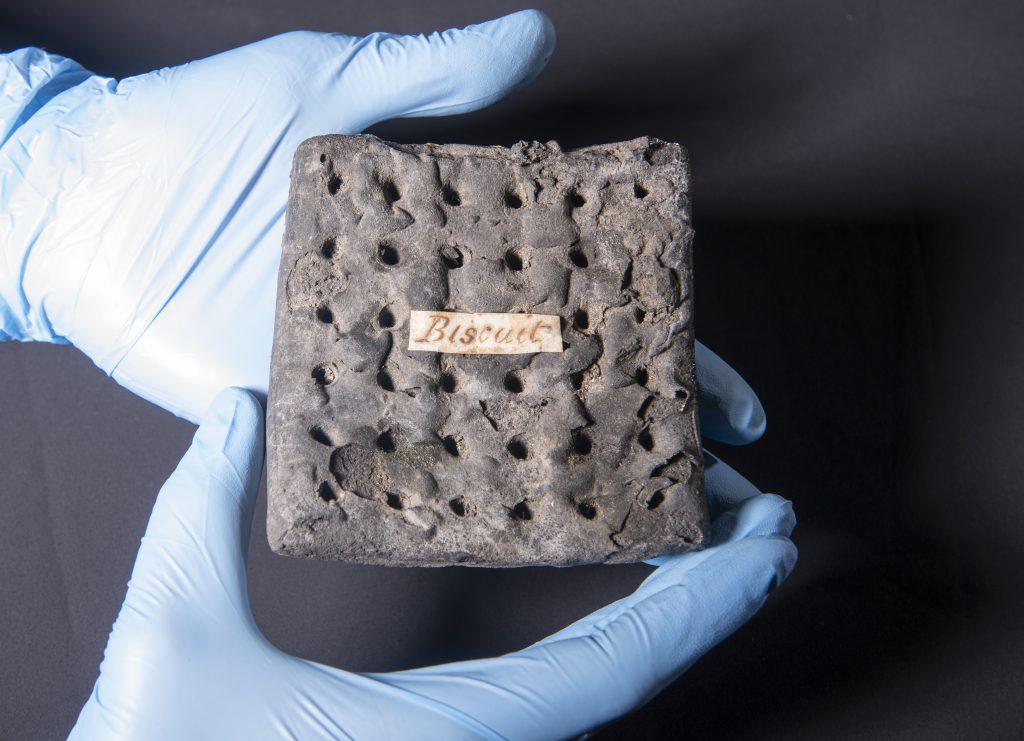
A look at some of the weird and wonderful food and drink items in PHM’s collection.
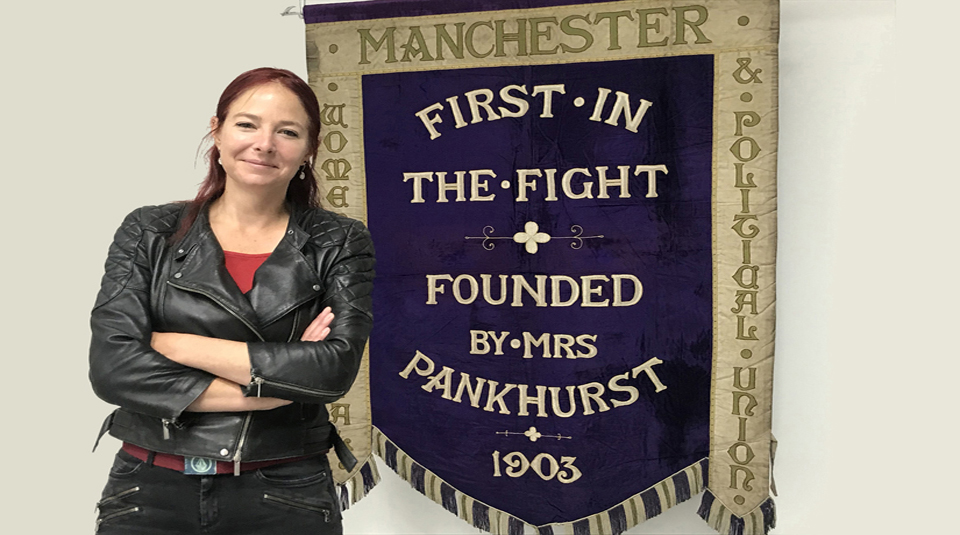
People’s History Museum’s (PHM) Head of Collections & Engagement Jenny Mabbott tells us about the very special suffragette banner in the museum’s collection that appeared in Industrial Revolution Manchester, the final episode of Channel 4 show Britain’s Most Historic Towns, with Professor Alice Roberts.
Are you more independent or community focused? Experimental or measured? Prefer work or play?
Take our quick quiz to find out which radical you are!