PHM is the national museum of democracy, telling the story of its development in Britain: past, present, and future.
On this blog we share posts from the PHM team and other experts, with behind the scenes stories, coverage of PHM's exhibitions and events, and highlights from the museum's unique collection.
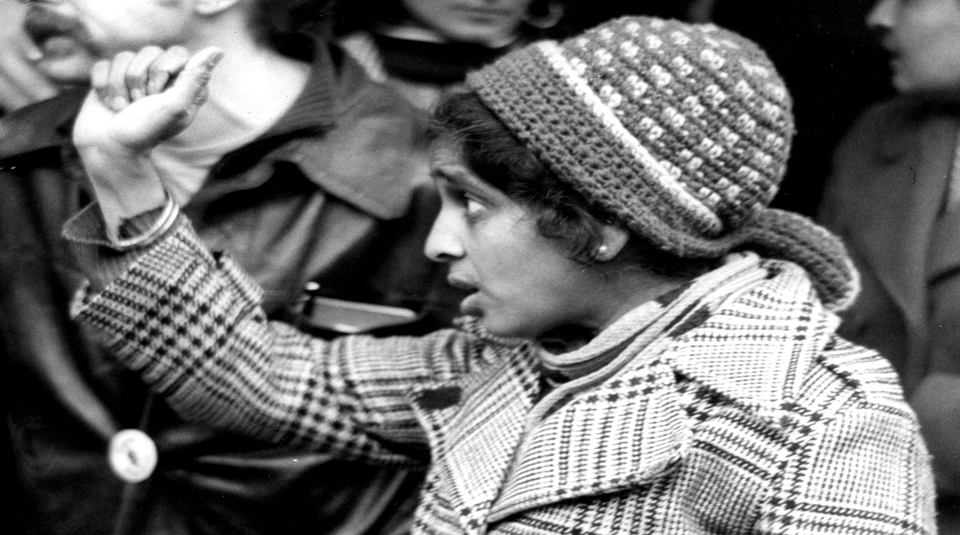
2026 marks 50 years since the Grunwick Strike for union recognition (1976-1978). In this blog we revisit a Q & A on Jayaben Desai and the Grunwick Strike with Historian Dr Shirin Hirsch.
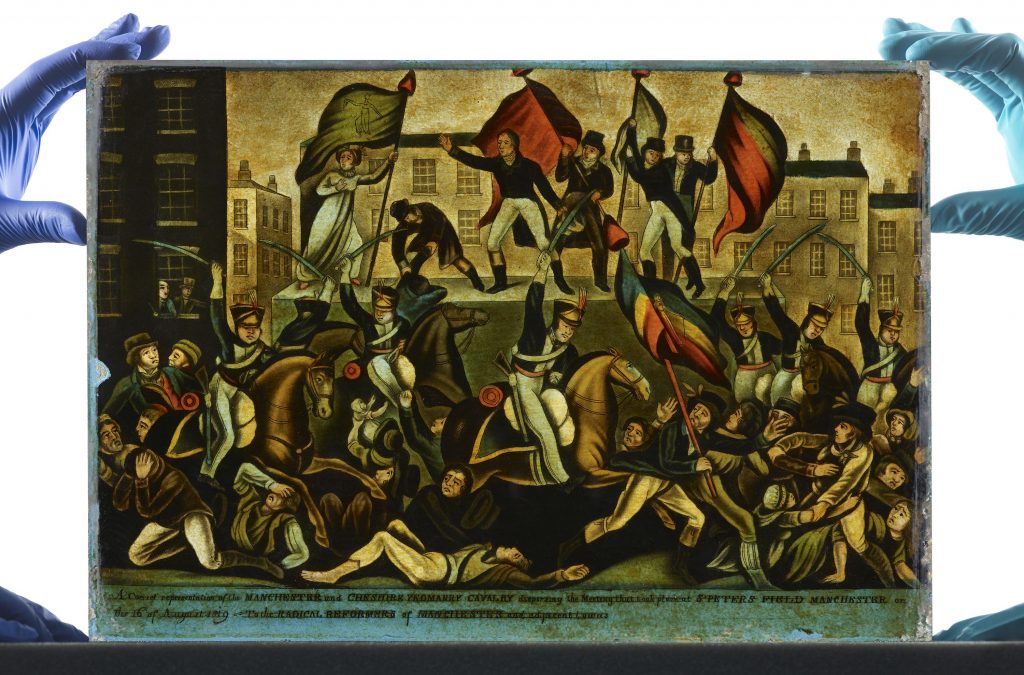
On 16 August 1819, 60,000 people congregated in St Peter’s Field in Manchester, with demands for the right to vote, freedom from oppression, and justice.
Find out more about this major event in Manchester’s history, and a defining moment for Britain’s democracy.
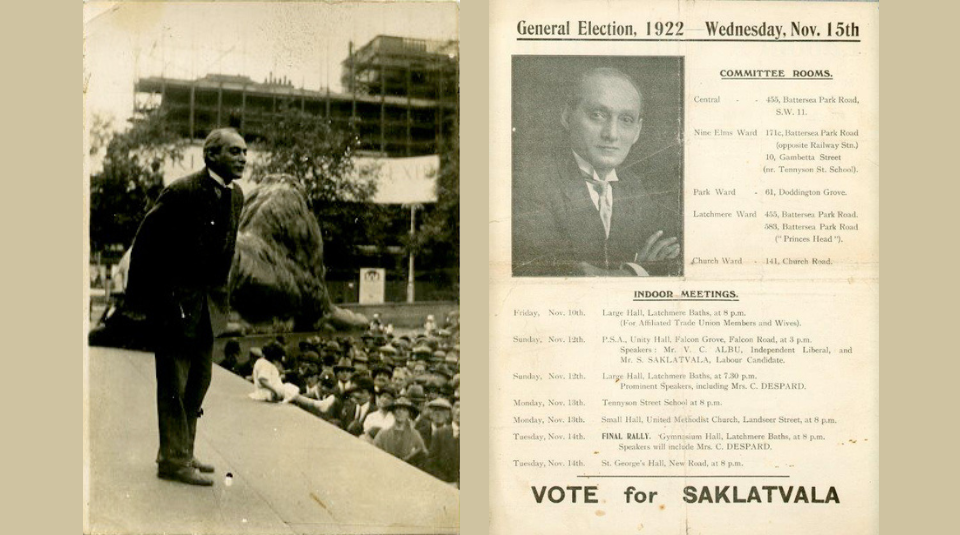
In 1926, on the eve of the General Strike, Shapurji Saklatvala MP called on soldiers not to shoot their fellow workers. He was arrested on charges of sedition, his trial was rushed through, and he was imprisoned until the strike was officially over.
In the final of a series of three blogs exploring the 1926 General Strike, Dr Dan Edmonds, PHM and Royal Holloway University of London researcher, tells us more about Saklatvala, 100 years after his release from prison.
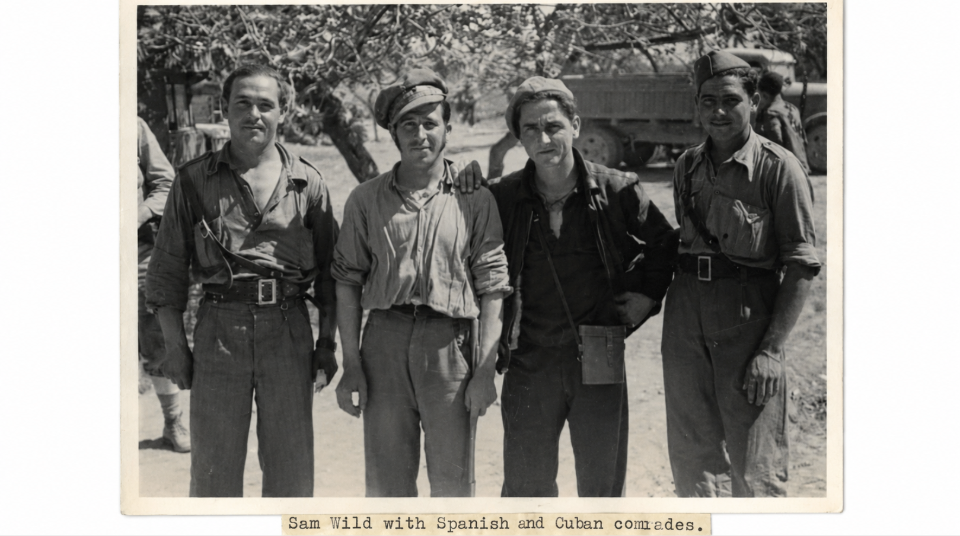
This year marks the 90th anniversary of the outbreak of the Spanish Civil War (1936-1939) – a conflict that inspired an extraordinary international response by ordinary people. We spoke to journalist Gideon Long, whose grandfather Sam Wild fought in the war with the International Brigades.
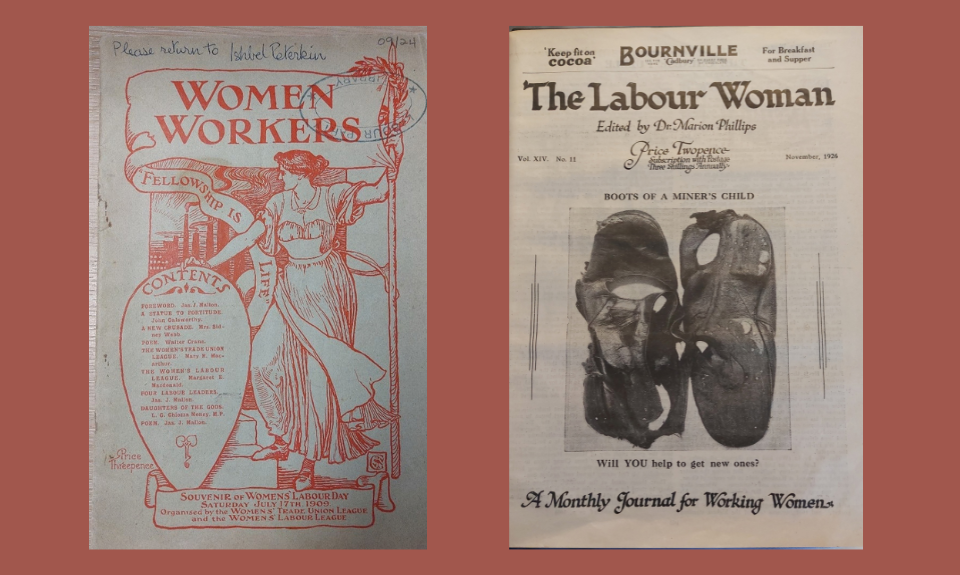
The 1926 General Strike is often remembered in terms of the men who were involved, and the nine days of official strike action. However, following the strike’s official ending, over one million miners remained on strike, many for the rest of 1926.
In the second of a series of three blogs exploring the strike, Dr Dan Edmonds, PHM and Royal Holloway University of London researcher, tells us more about the crucial role of the women who sustained the strike.
Are you more independent or community focused? Experimental or measured? Prefer work or play?
Take our quick quiz to find out which radical you are!